

If one of you is Turkish, or your family is, there’s a good chance someone has already asked: “And the henna night?” The kına gecesi, or Turkish henna night, is the evening before the wedding when the bride’s family and friends gather, the henna is brought out by candlelight and everyone sings, laughs and usually cries a little. We’ve been setting up henna nights in Kusadasi and around Aydın for 15 years, and more and more of the families we work with now live in Belgium, the Netherlands, Germany or the UK and fly home for the wedding.
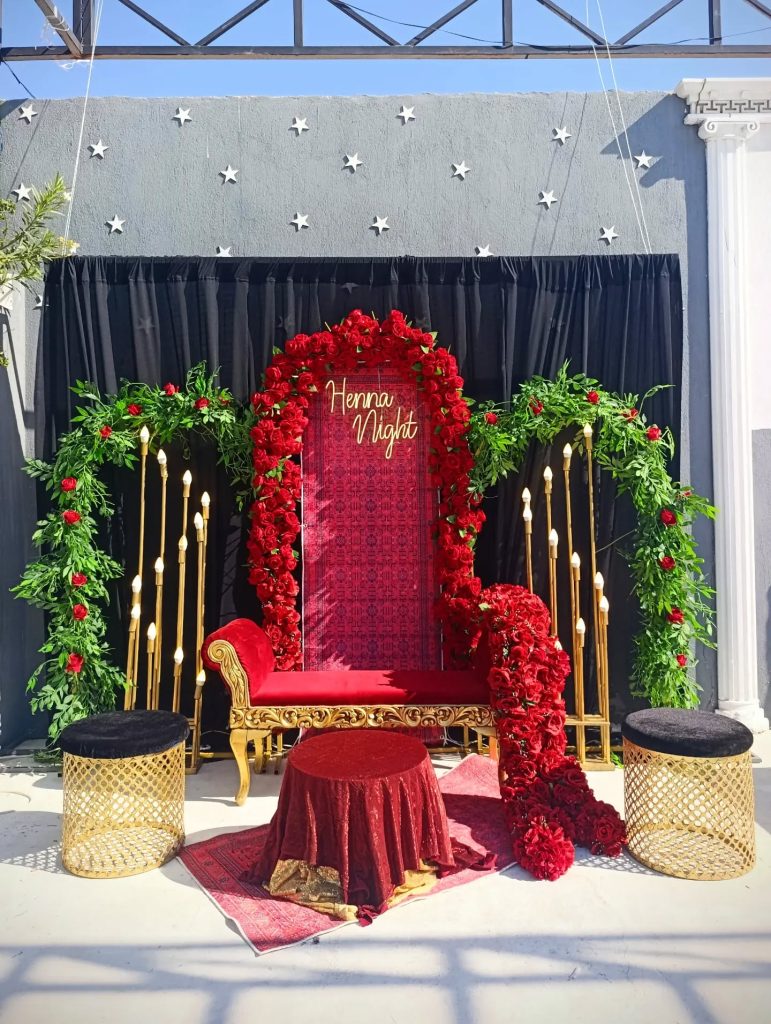
What happens at a Turkish henna night?
Every family does it a little differently, but the evening usually follows the same shape:
- The bride’s outfit: she wears a bindallı, a long velvet dress embroidered in gold, usually red or deep purple, with a red veil over her face.
- The henna arrives: the henna is carried in on a tray decorated with candles, often by the bride’s friends, who walk around her while traditional songs are sung. “Yüksek Yüksek Tepelere” is the one almost every family knows.
- The tears: the songs are deliberately sad, about a daughter leaving her mother’s home. Making the bride cry is part of the tradition, and it’s very rarely only the bride.
- The henna and the coin: a happily married woman, often the groom’s mother, puts henna in the bride’s palm. Tradition says the bride keeps her hand closed until a gold coin is placed in it, then the hand is wrapped in a small glove or cloth.
- Then the party: once the emotional part is over, the music changes and it turns into a proper celebration with dancing.
Guests often get a small dab of henna on a finger too, and leave with a little favour, usually a printed handkerchief or a small bag of henna.
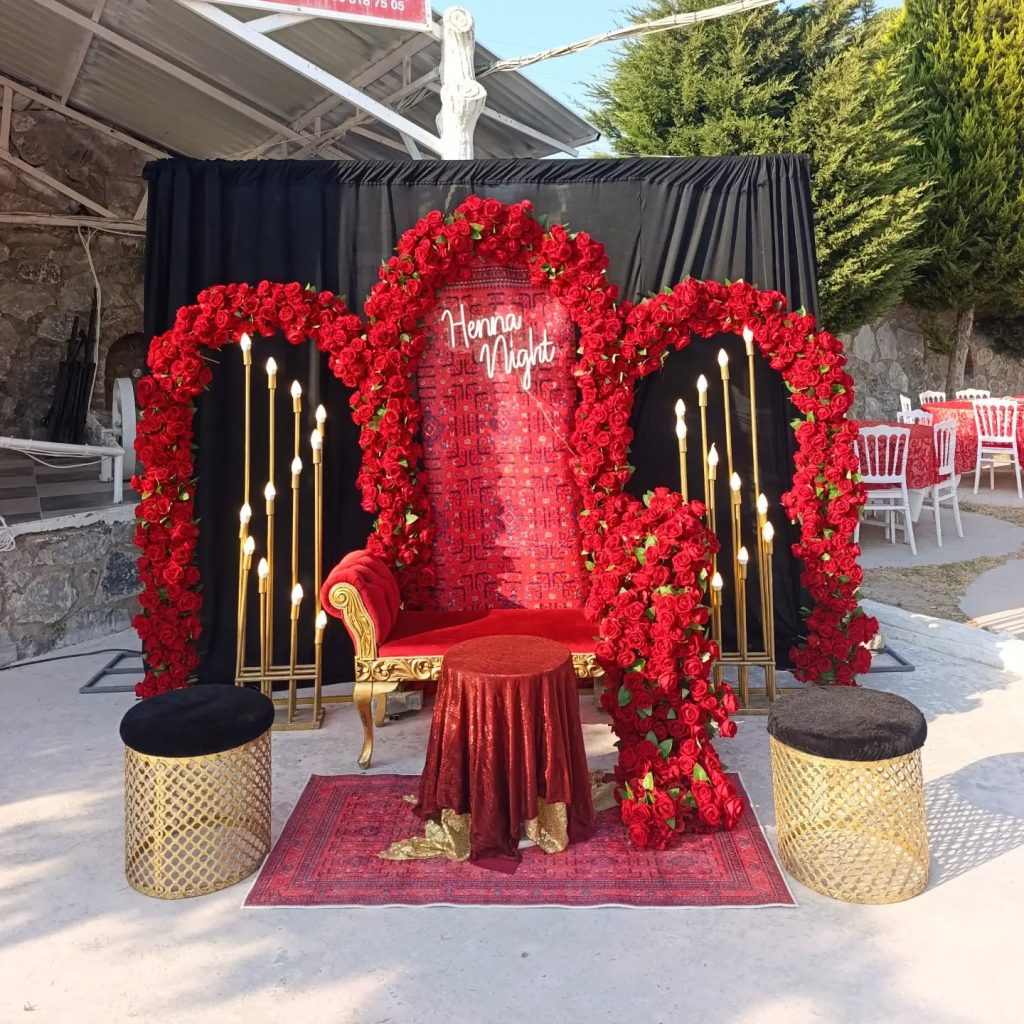
Traditional or modern?
Some families want everything exactly as it was at their grandmother’s henna night. Others want a “Henna Night” neon sign, a DJ and a photo corner. Most land somewhere in between. Red and gold is the classic colour scheme, but we also do burgundy, blush pink or cream and gold for couples who want something softer. We choose the concept together with you before anything is ordered.
What we prepare
For the bride and groom
- The henna throne and a decorated walkway
- The bindallı, veil and hand bouquet
- A sash and buttonhole for the groom
- A welcome sign with your names
For the bridesmaids and guests
- Matching crowns, wristbands and kaftans for the bride’s friends
- Beaded scarves and tambourines to hand out
- Candles and the henna arch
For the table
- The henna tray and henna basket
- A decorated henna table
- Ready-made henna and henna candles
Where to hold it
A henna night can be at home, in a garden or in a venue. In Kusadasi a lot of families still hold it at home or in the garden of a family house, which keeps it warm and personal. For bigger guest lists, a garden venue or a hall gives more room for the stage and dancing. We set up in Kusadasi, Davutlar, Güzelçamlı and across the Aydın area.
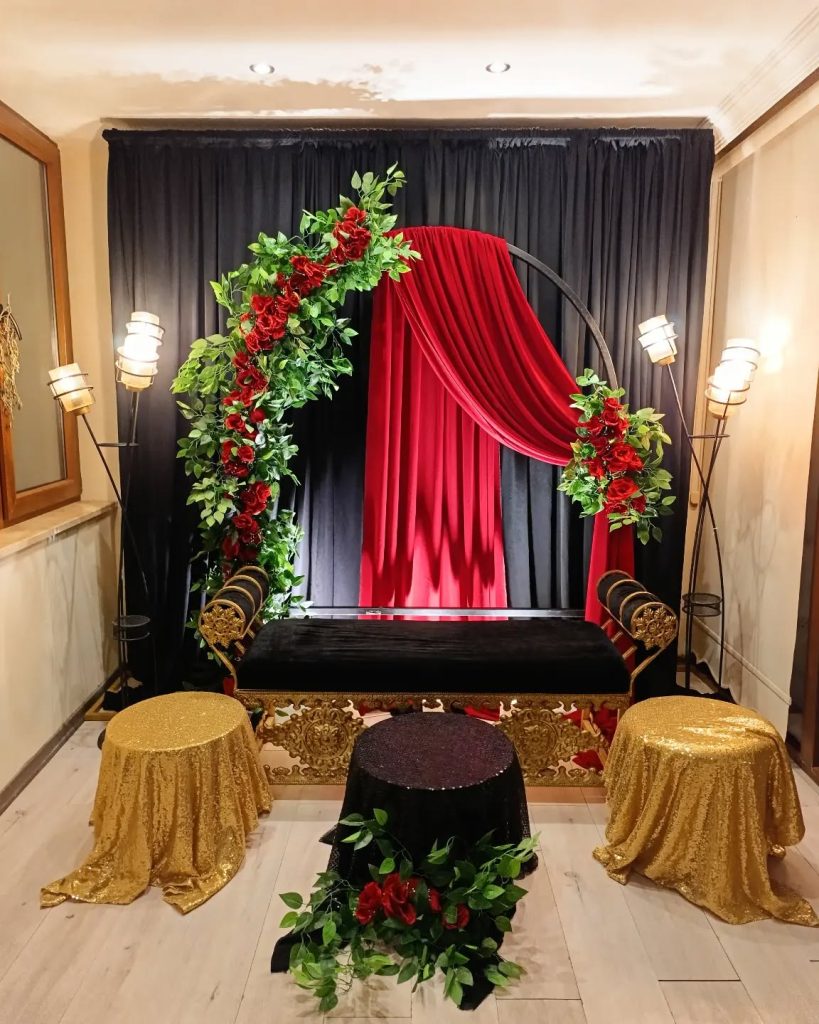
Planning a henna night from abroad
If you live outside Turkey, the hardest part is usually not knowing who to trust locally. Here’s how it normally works with us: you message us on WhatsApp with the date, the rough number of guests and whether it’ll be at home or in a venue. We send concept ideas and photos, you choose the colours and the details, and we prepare everything before you land. On the day, our team sets up the throne, the decor and the table, and you only need to bring the bride.
It also works well if the wedding itself is somewhere else: some couples hold the henna night in Kusadasi with family, then marry elsewhere. If you’re planning the wedding here too, see our wedding page and the guide to getting married in Kusadasi as a foreign couple.
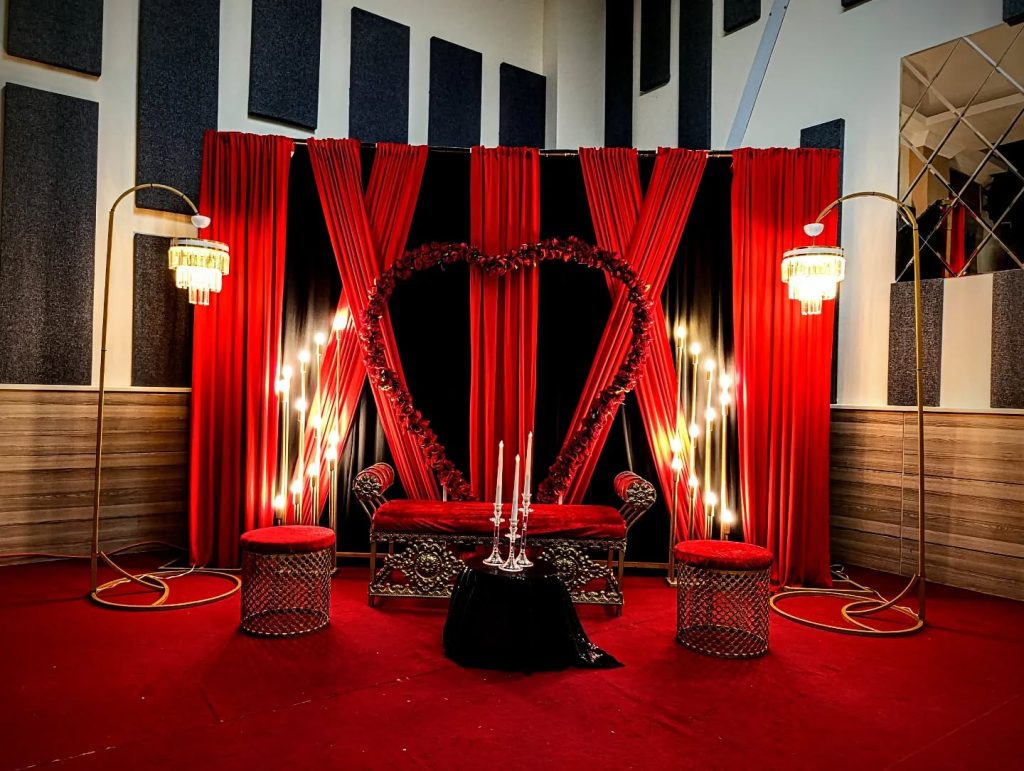
Henna nights we’ve set up
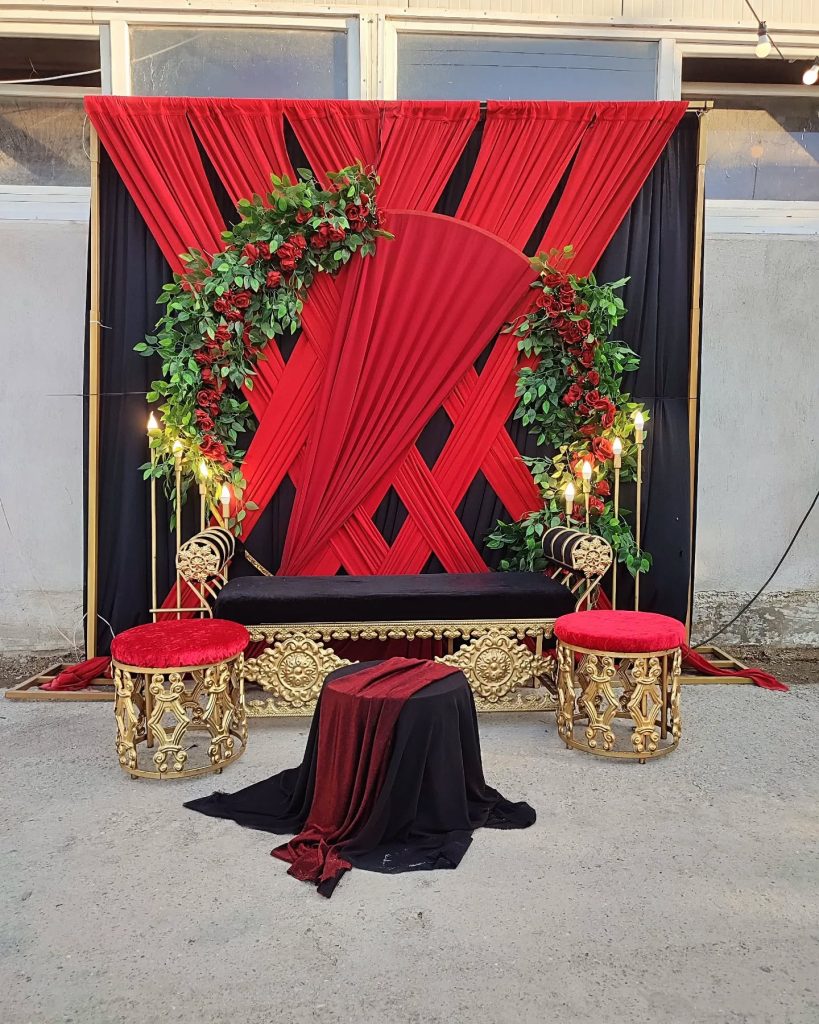
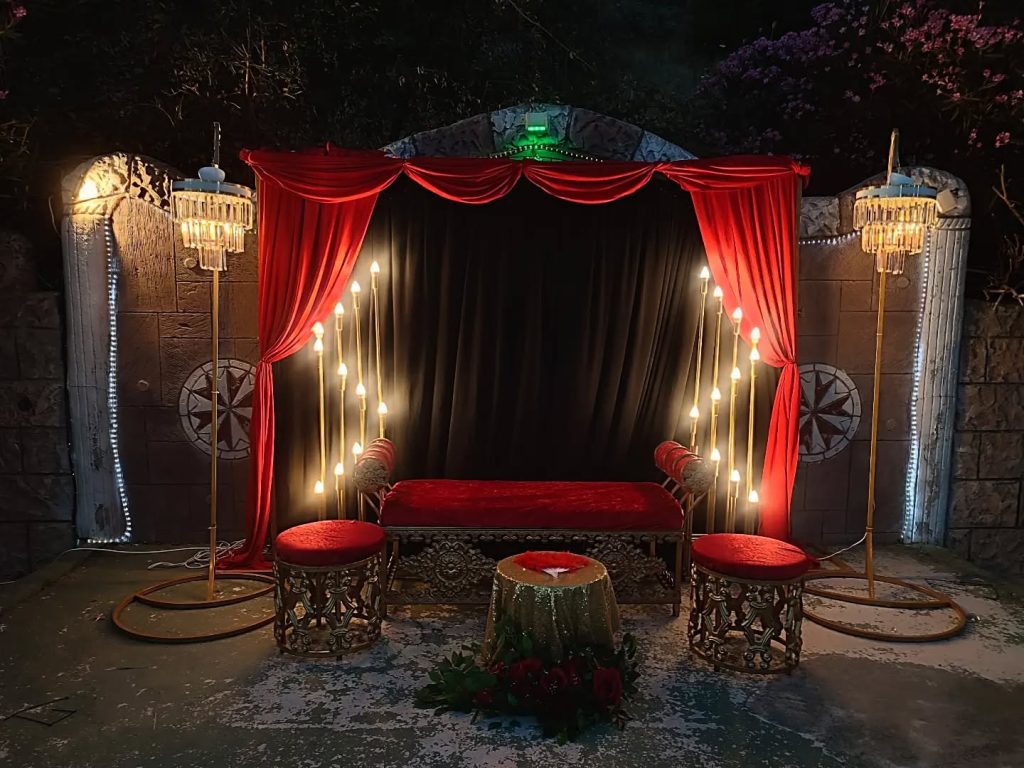
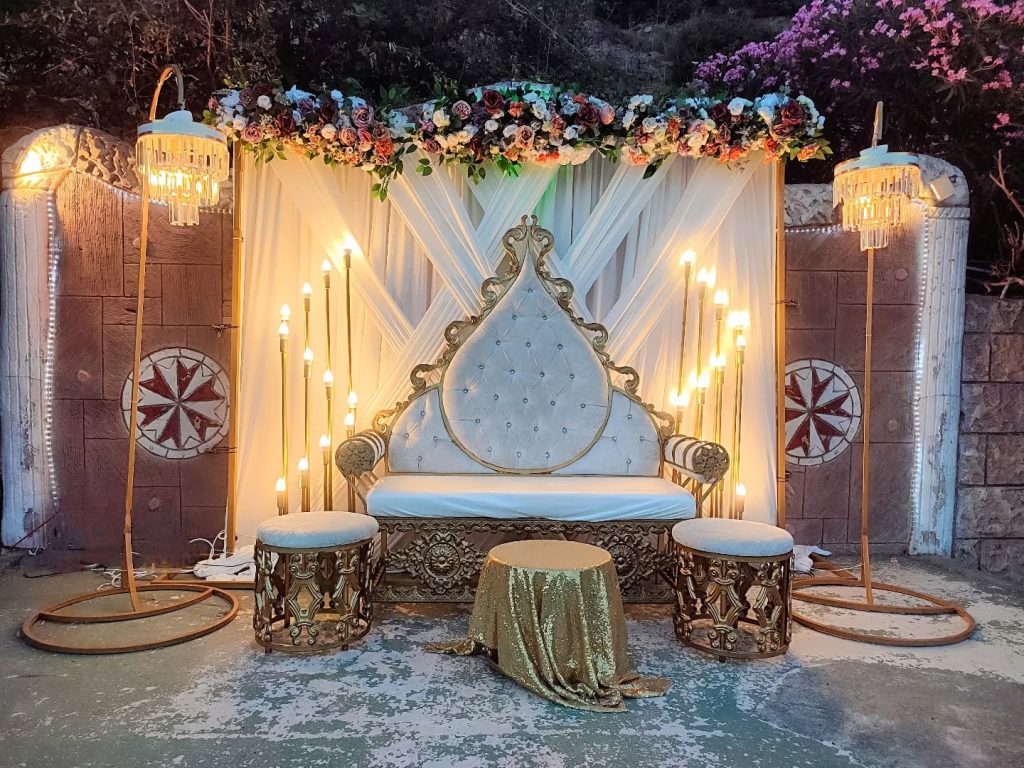
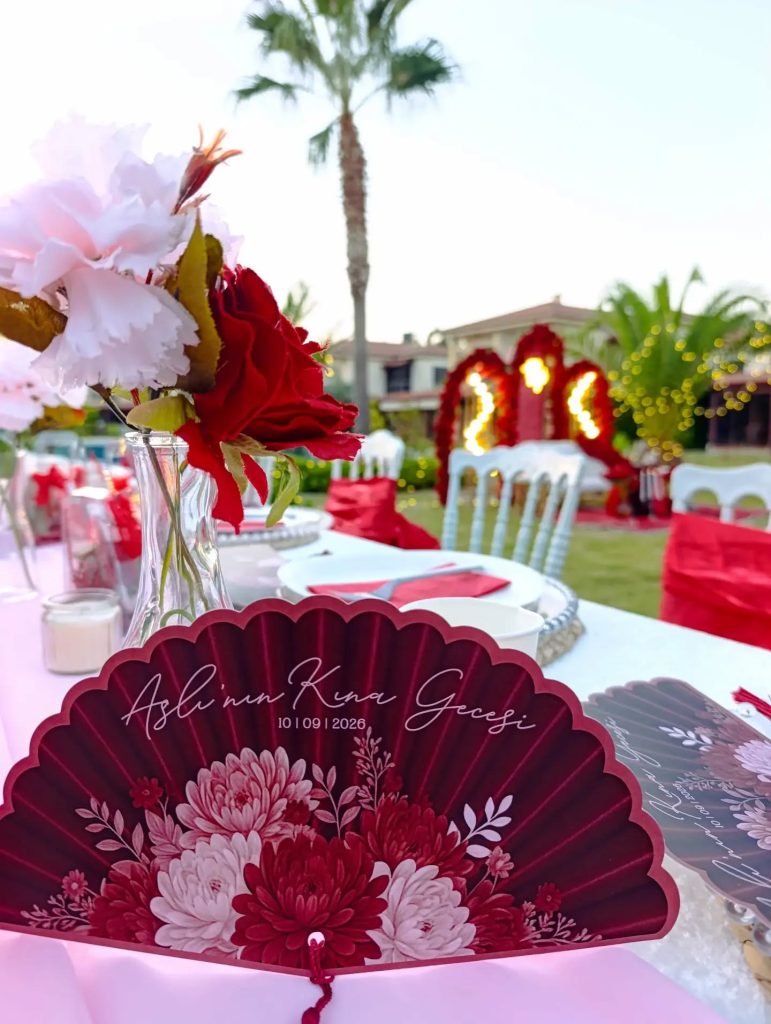
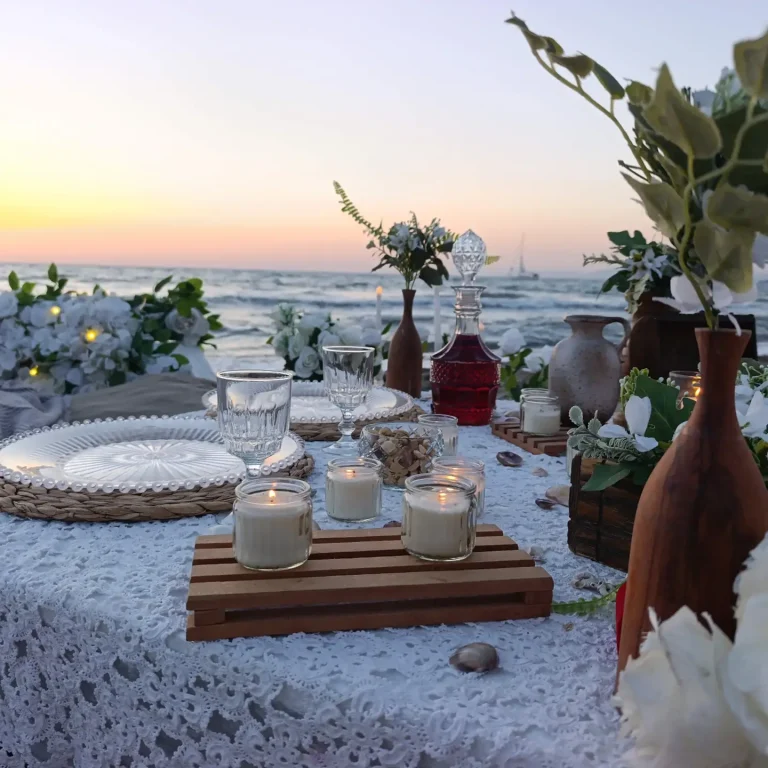
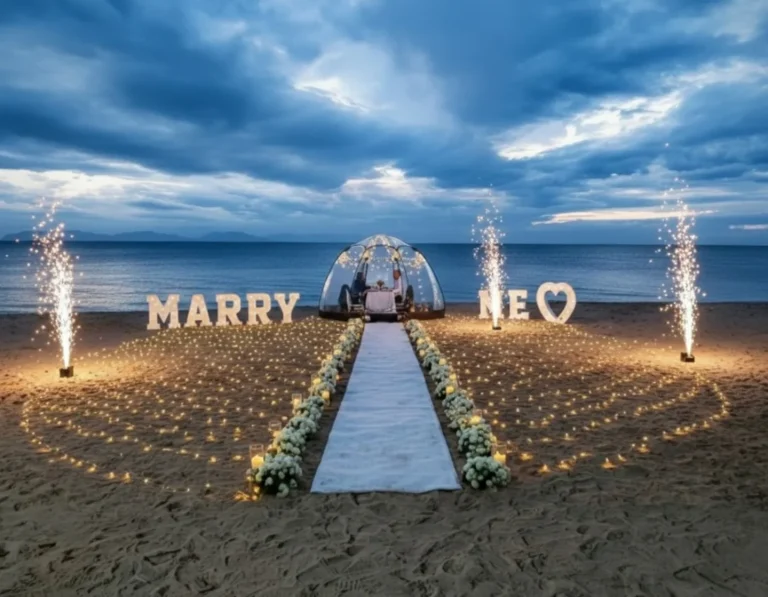
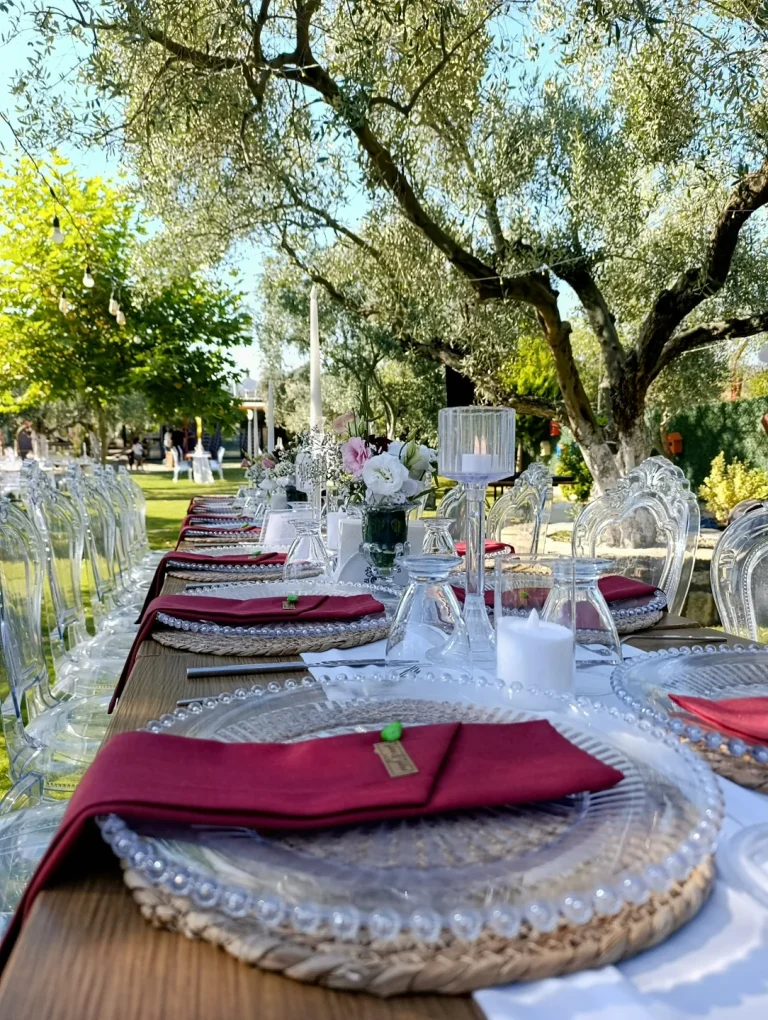
A few of the stages and tables our team has built for henna nights in Kusadasi and Aydın:

Frequently asked questions
When is the henna night held?
Traditionally the night before the wedding. These days many families move it two or three days earlier so the bride isn’t exhausted on the big day.
Is it only for women?
Traditionally the henna night was mostly for the women of both families. Today it’s very often a mixed celebration, and the groom usually joins for the henna and the photos.
What should guests wear?
Dress as you would for a nice evening party. Red is traditionally the bride’s colour that night. The bride’s close friends sometimes wear matching kaftans, which we can prepare.
Can a non-Turkish bride have a henna night?
Absolutely. We’ve prepared henna nights for mixed couples where the bride’s family was seeing the tradition for the first time. We’ll explain each part so everyone knows what’s happening and when.
How far ahead should we get in touch?
For summer dates, a few weeks ahead is best so we can prepare the outfits and personalised items. Shorter notice is sometimes possible, so just ask.
You might also like
Let's plan your day
Tell us your date, guest count and the place you have in mind. Our English-speaking team will reply with ideas.